Monthly Archives: August 2013

Peppered Thunder and Lightning

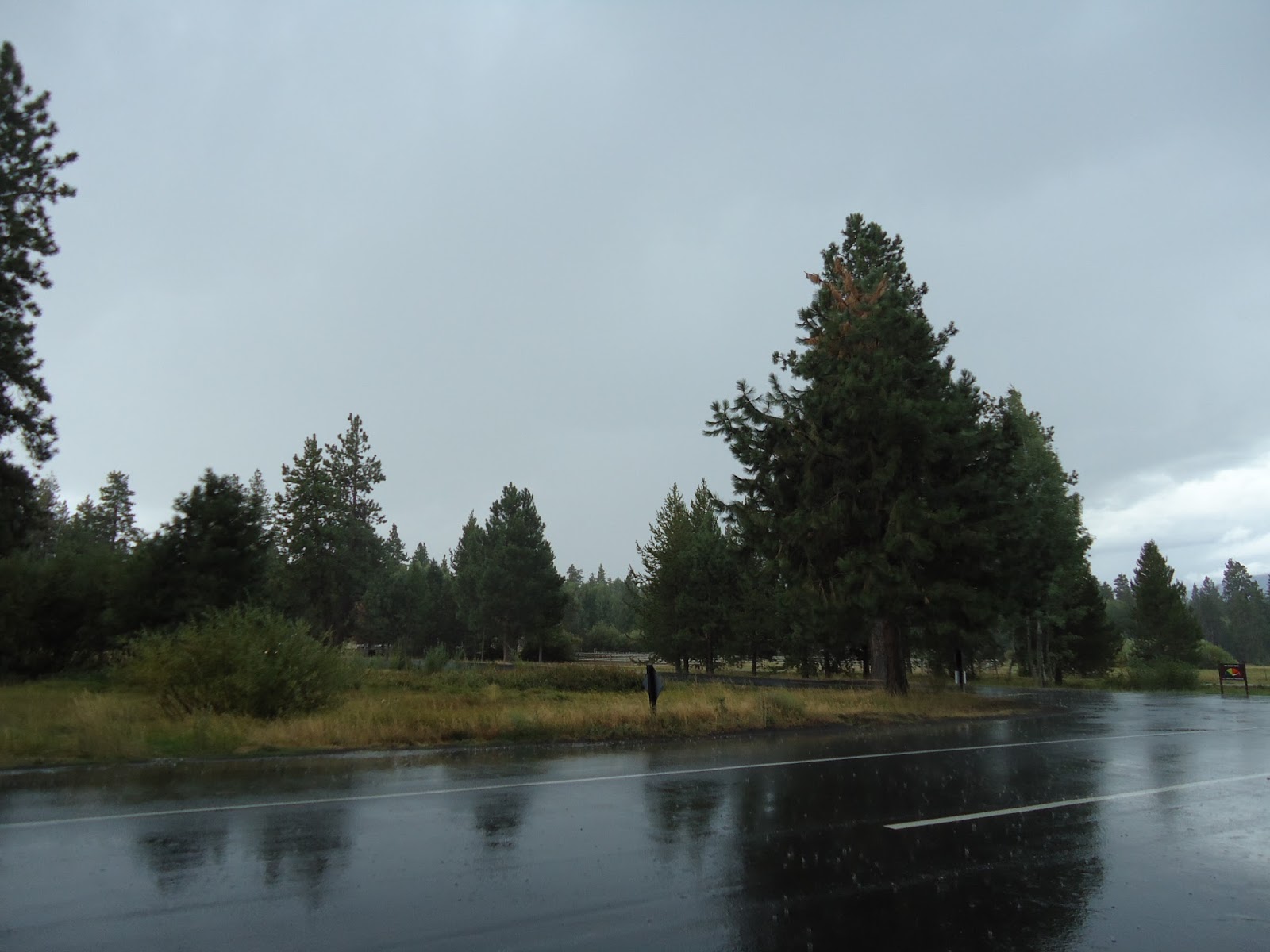
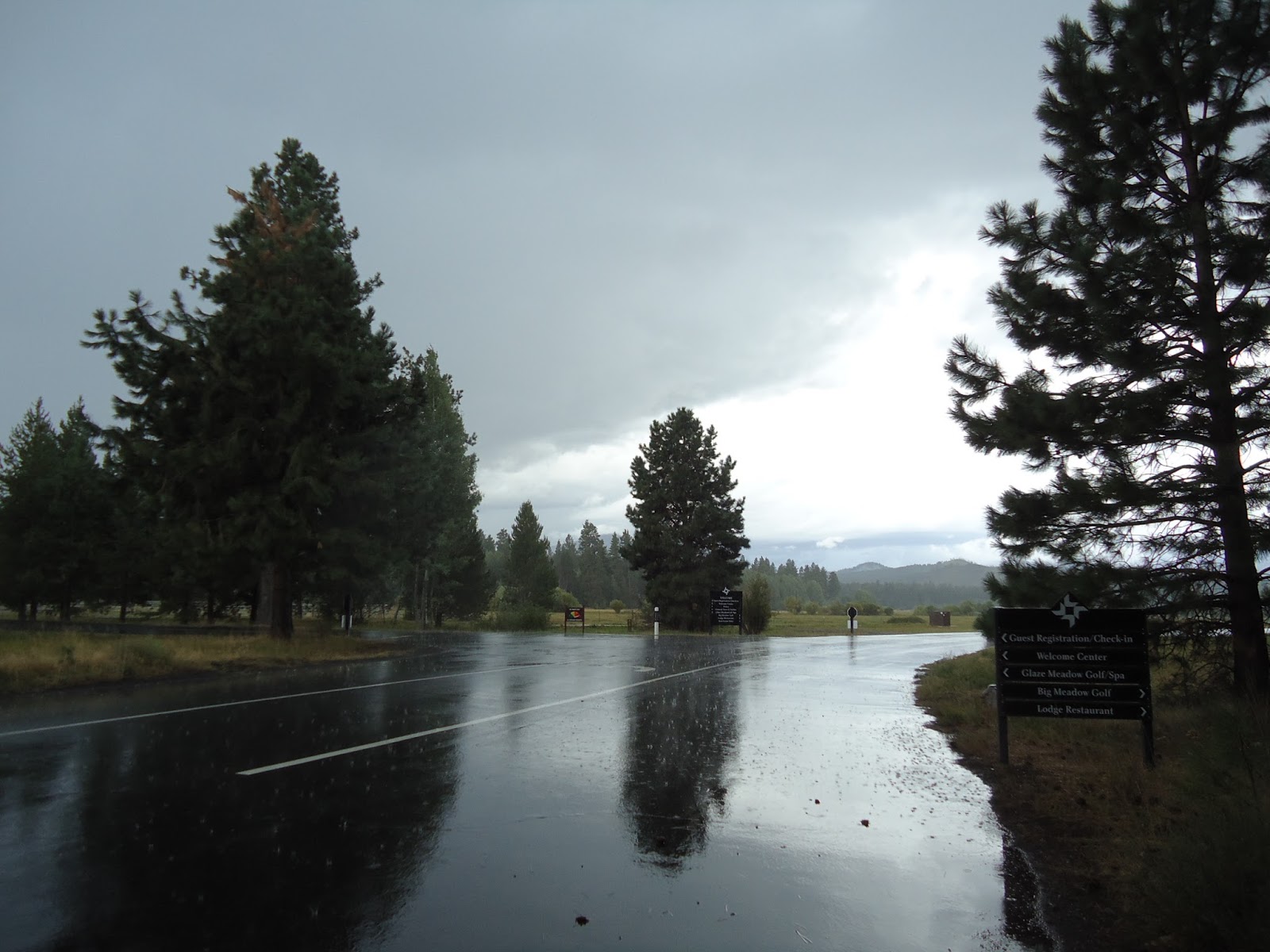
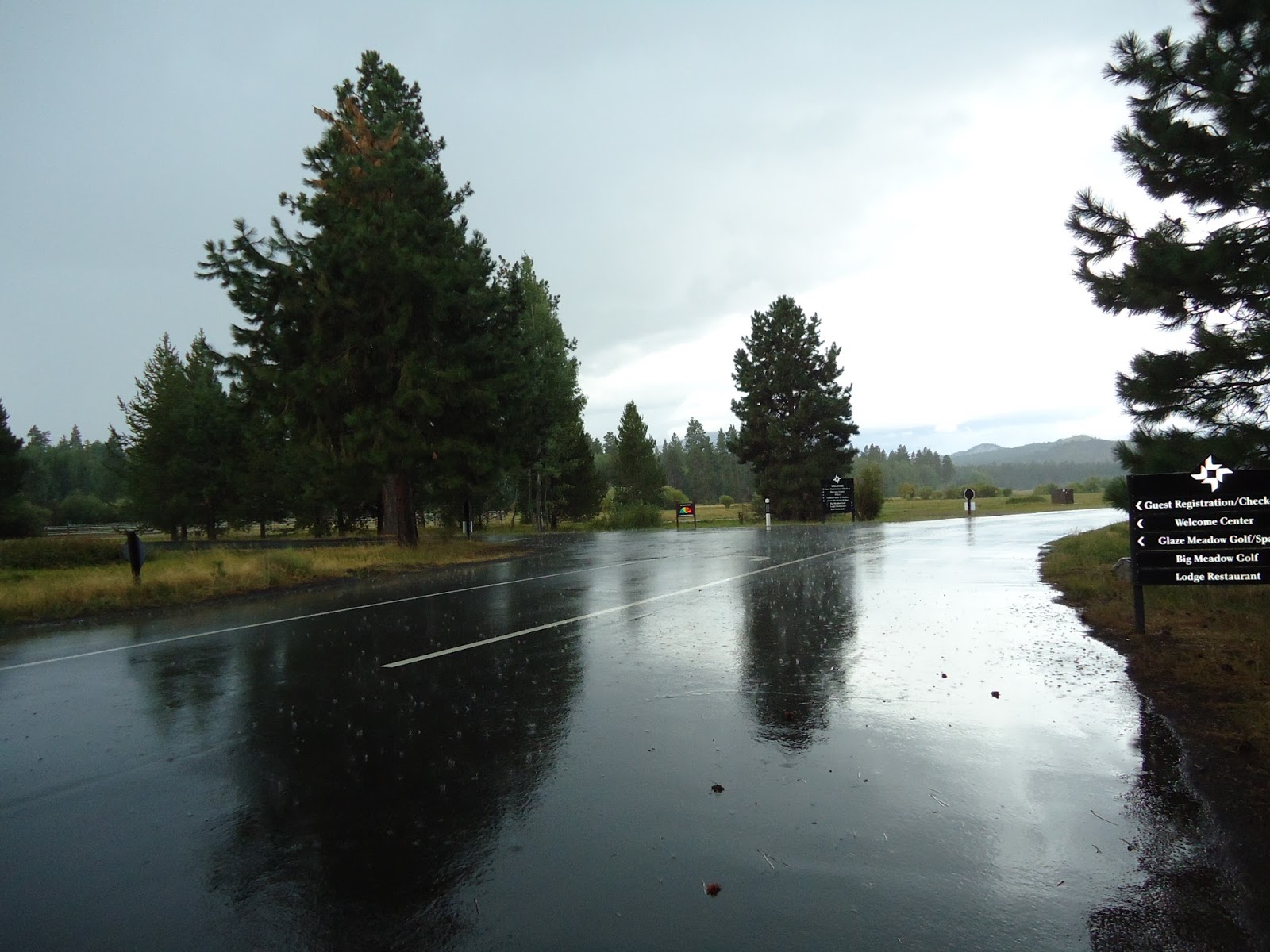
Entrance to Black Butte Ranch

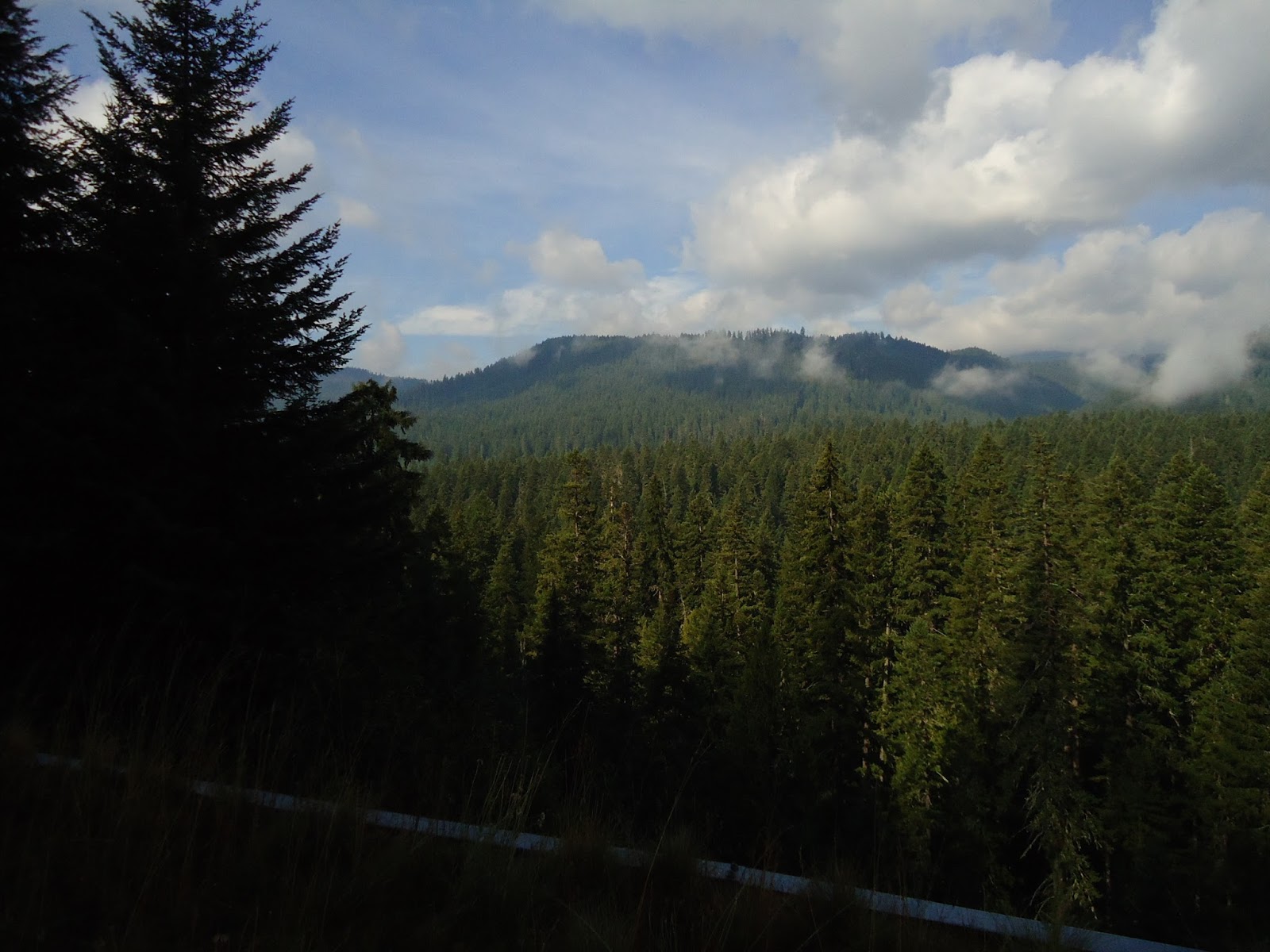
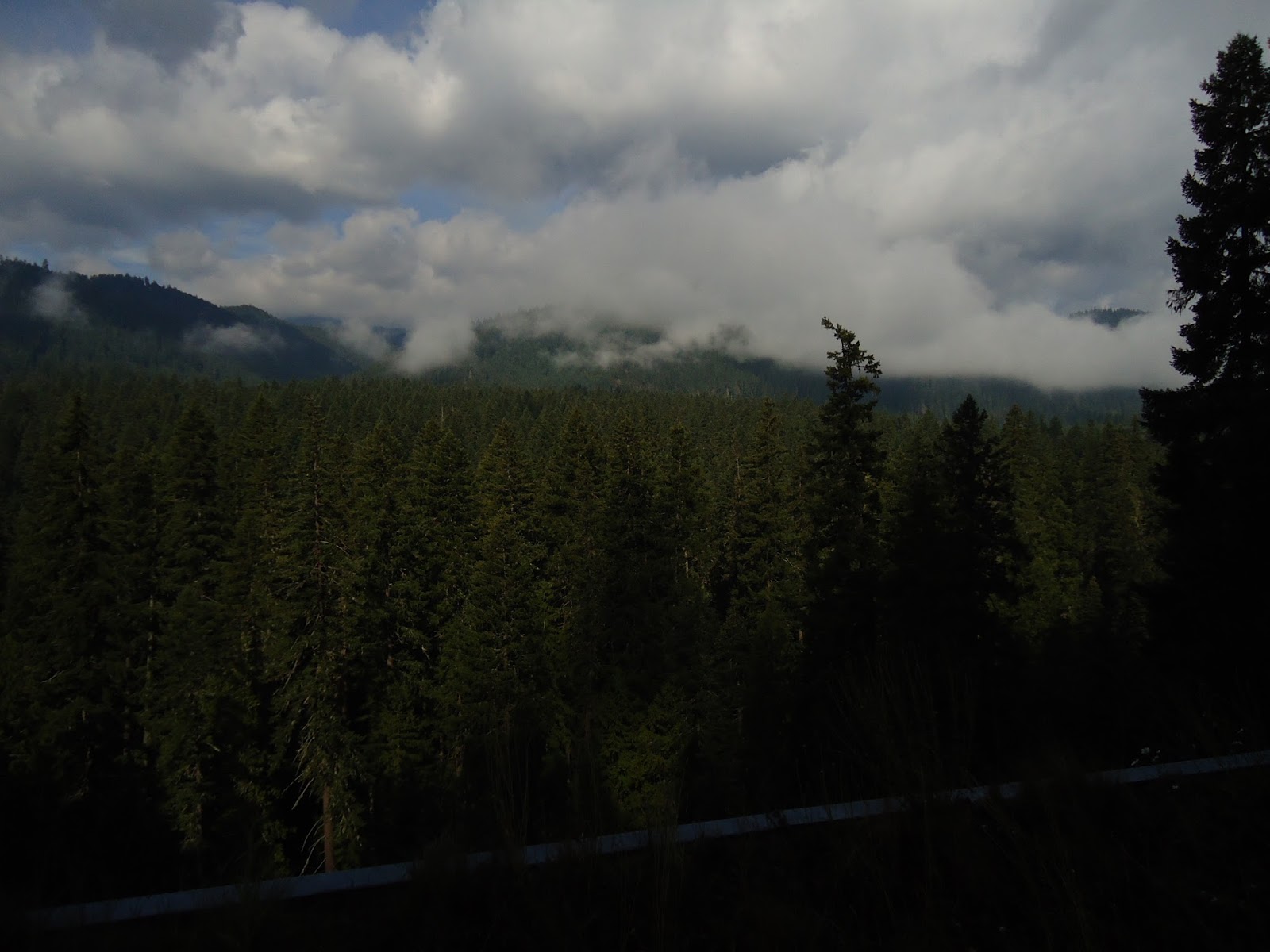
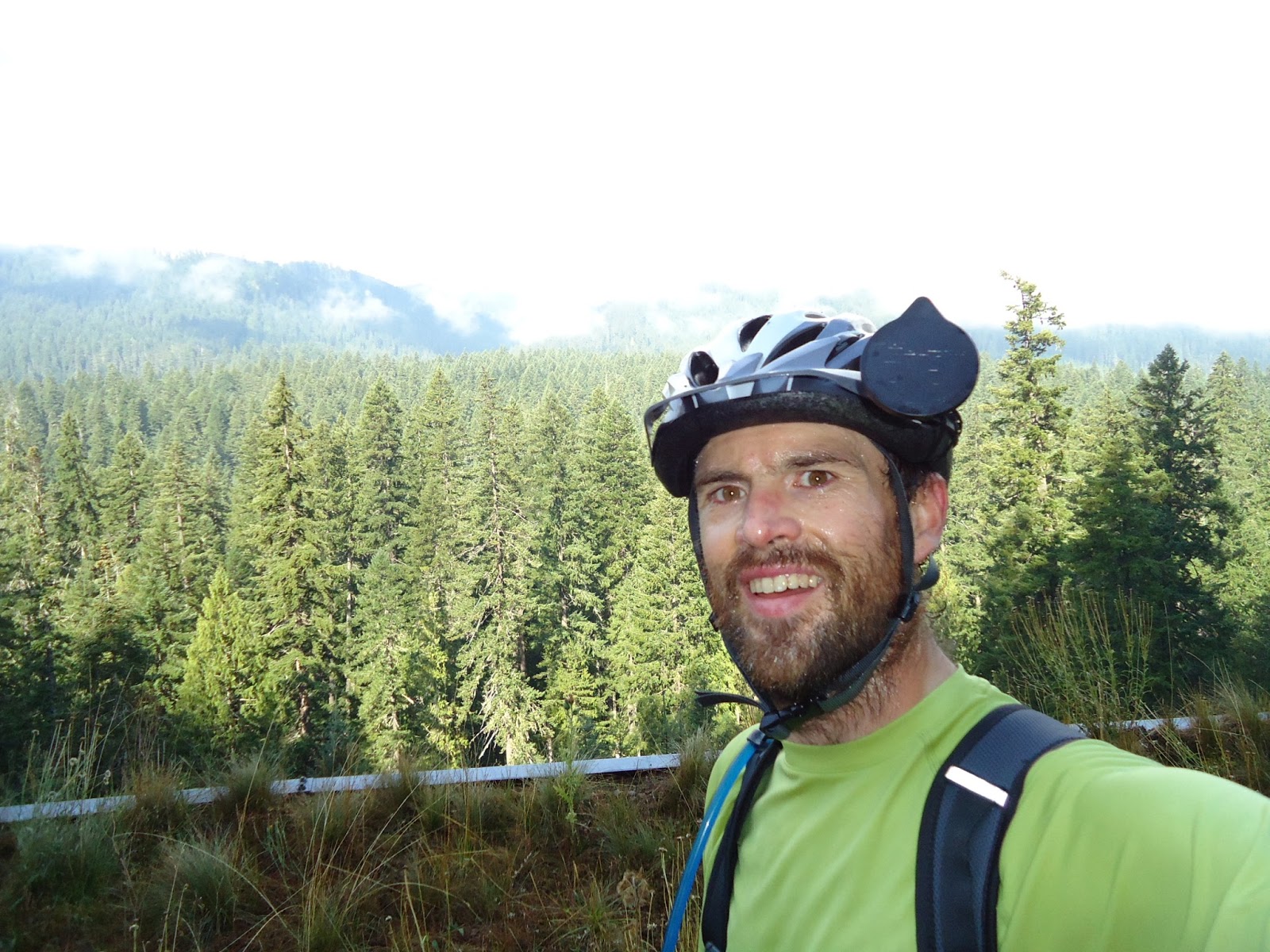
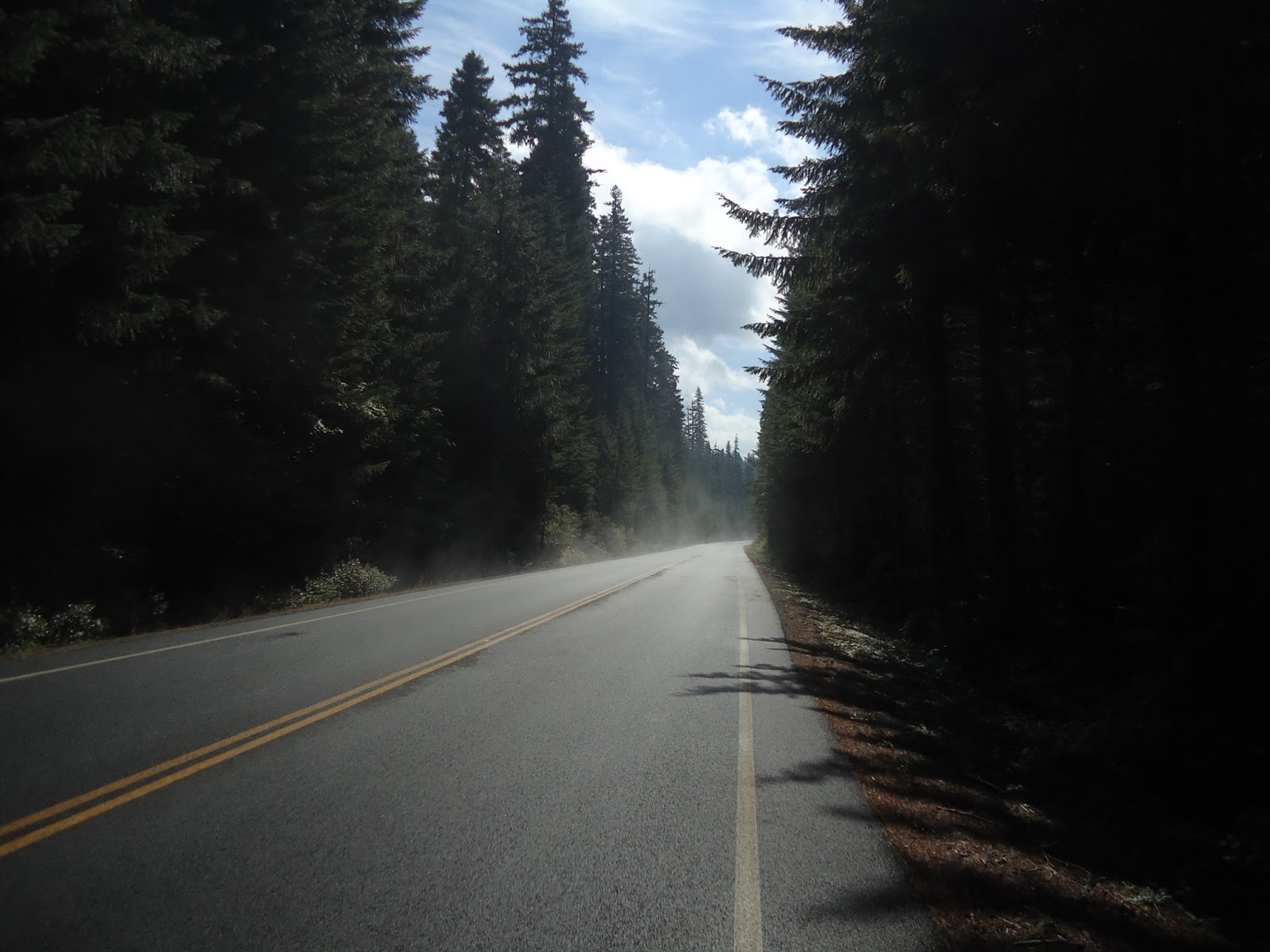
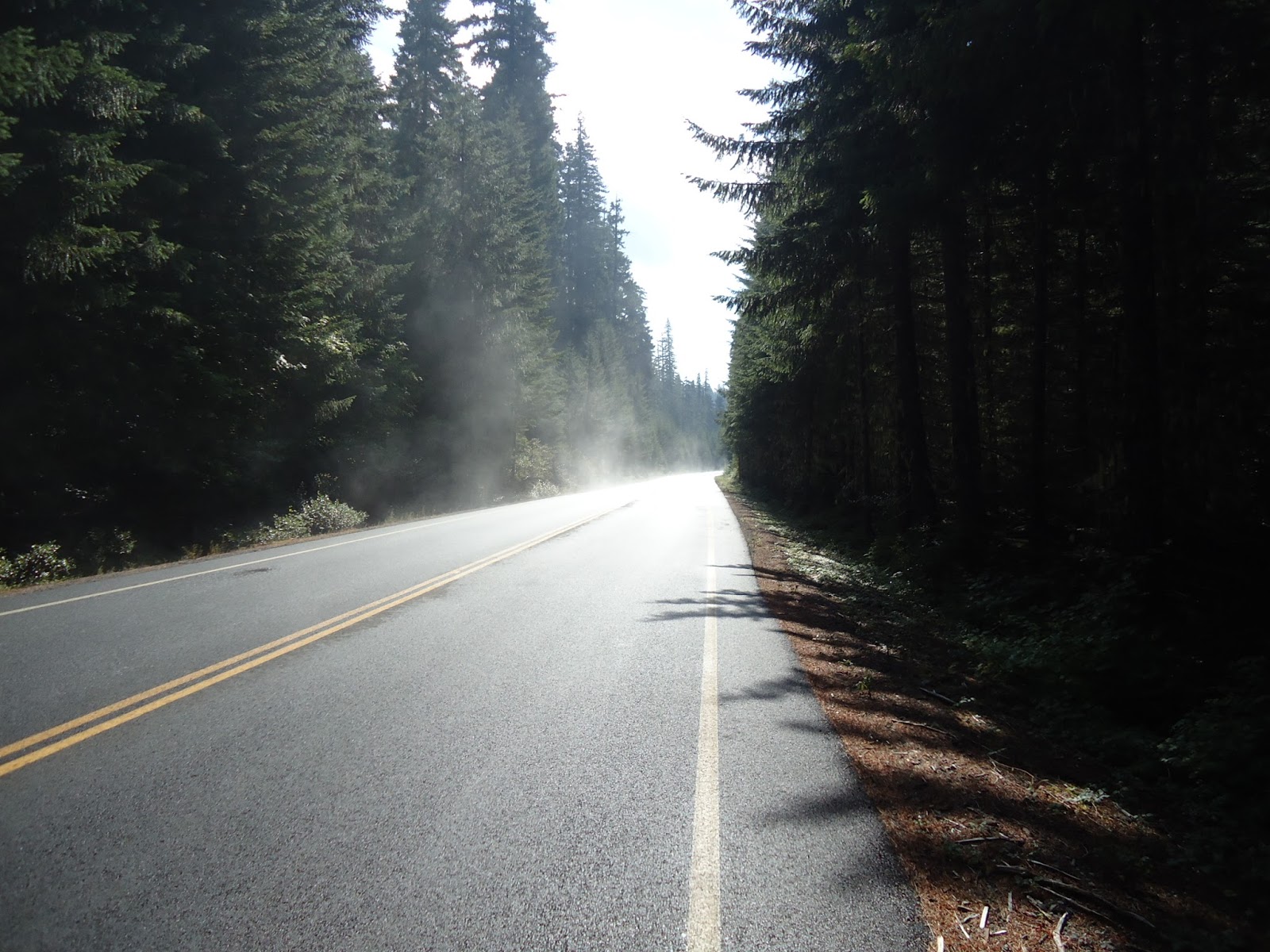
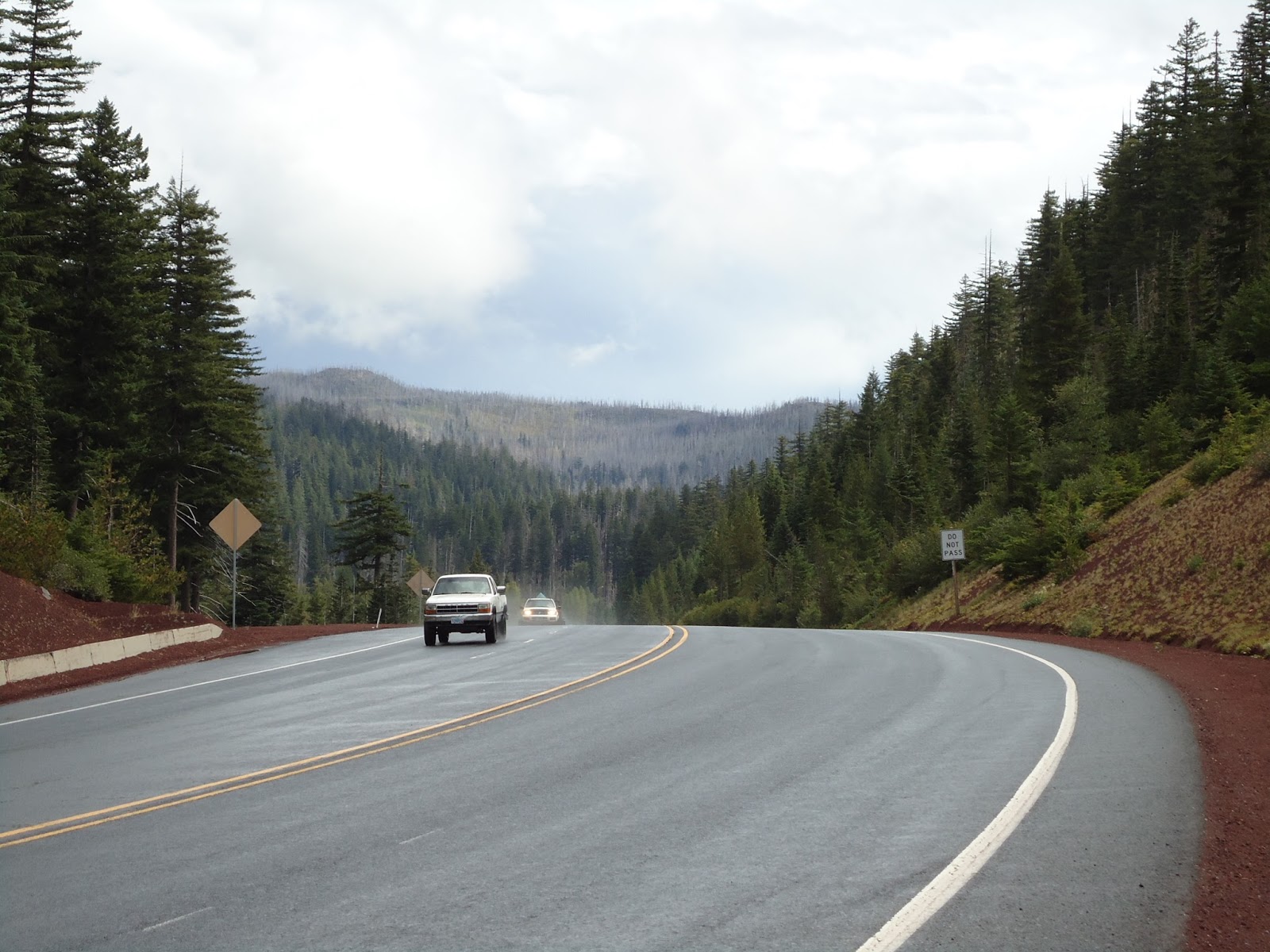
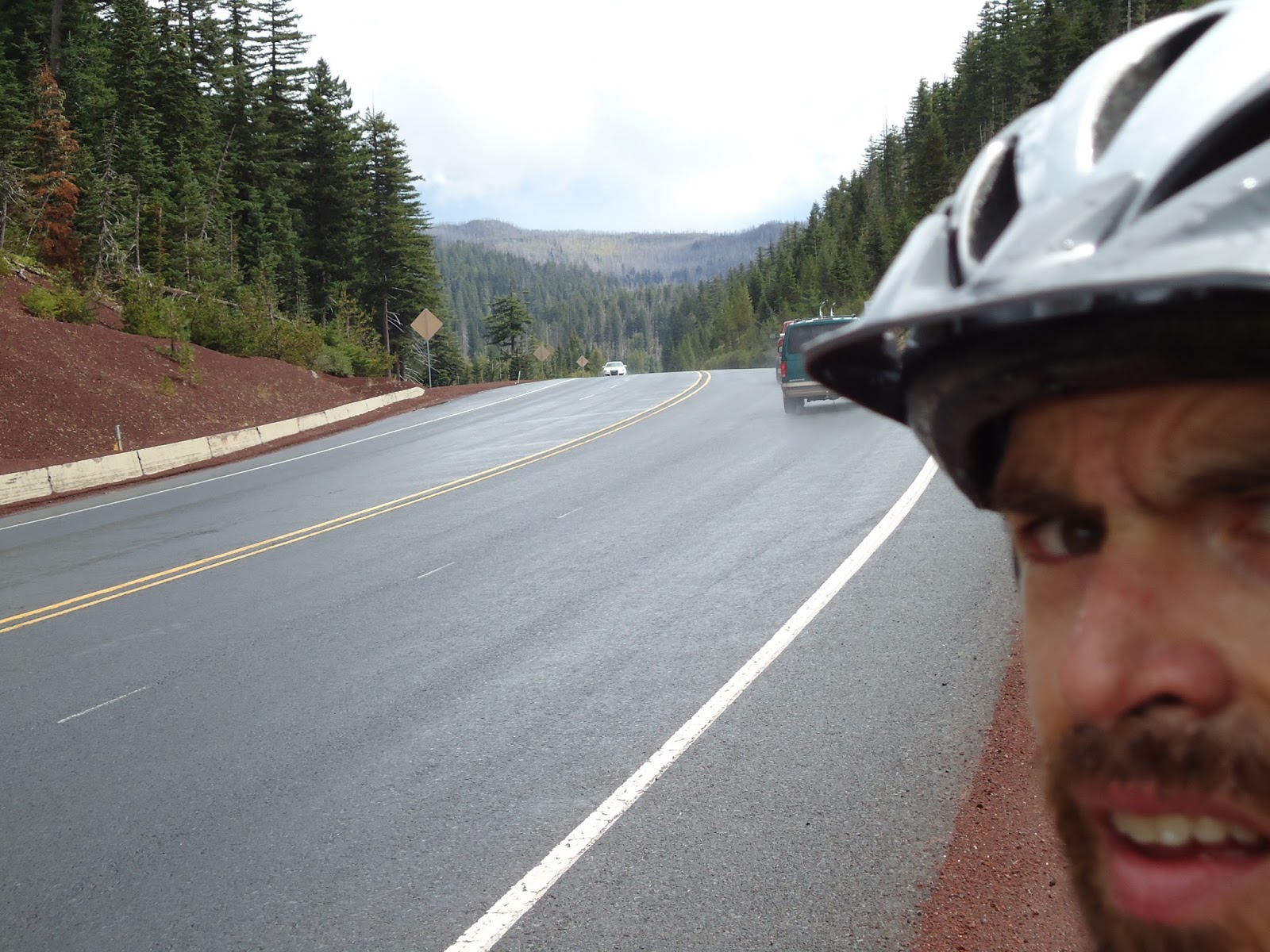
I saw the dark cloud from the summit of Santiam Pass, Oregon highway 20, and continued cycling towards the ominous rain cloud thinking it would be gone by the time I got there. The two lane busy highway west of Sisters, Oregon was flooded, rain was crashing down, and hail was mixed in with it. Cars were continually sending sheets of water into my side as they hydroplaned by. I was standing on my pedals pushing on them as hard as I could. On a scale of one to ten, ten being maximum effort, I was putting out a thirteen. I was pushing myself way beyond the red-zone, perhaps purple zone would be more appropriate. This storm was noisy loud as the thunder was deafening. Lightning was touching the ground on all sides, but none had come out and zapped me, yet. It was only a matter of seconds before a driver lost control of their vehicle slamming into me ending my life, it was either that, or a bolt of lightning. The sky looked like it should’ve been ten o’clock in the evening; however it was only ten to three in the afternoon. I woke up early that morning eager to get a start on the day. I peered out the window from behind the blinds of my cheaply tiny motel room. Damn, it was raining, again. My eagerness quickly faded. I powered up my iPhone and checked the forecast for Detroit, Oregon. Rain, a quarter of an inch was forecasted. Now I really didn’t feel motivated. My plan was to ride single-track in the forest following highway 126 south fifteen miles to highway 242. Fuck it I thought, “I’ll go it eat breakfast come back and maybe it will have stopped raining before I leave.” I sat down for breakfast ordering my usual power meal, two poached eggs, hash-browns, wheat toast, and griddle-cakes. What I got instead was two poached eggs and griddle-cakes. Oh well, I will leave town the way I came in, with a fucked up order. Walking out the door of the restaurant, I found the sky holding onto its water supply. I quickly walked back to the motel room. I saddled up Black Magic opening the door to my room and pushed the bike outside. Raining again; oh well I thought, I can’t let a bit of rain spoil my day. The riding was a gradual ascent from 1,500 feet above sea level to the interchange of highway 20, and 126, sitting at 3,500 feet above sea level. The rain kept me from overheating, and at times I could see my own exhaust escaping out of my mouth. Mid to late summer on August 25th and I’m seeing my own breath, I said to myself in amazement. Reaching the interchange I decided to forgo highway 126 to McKenzie Pass staying on highway 20. What’s the point of riding up the scenic route if I can’t see a darn thing due to low clouds, rain, and heavy fog? I continued east up the Santiam Pass. Cresting above 3,500 feet, I had pedaled out of the clouds and the rain stopped. The air was warm and comfortable as my clothes began to dry out. I continued upwards to the summit at 4,800 feet above sea level as my clothes started to get damp, this time from sweat rather than a steady rain. The road began to level out as I reached the summit of Santiam Pass, after a steady upward climb of 47 miles. I noticed a sign indicating a turn off for an access point to the Pacific Crest Trail, so I turned off the highway. More climbing, but what the heck, I’ll go up to check out the trailhead. Reaching the top I could see in all directions; I looked east and that’s when I saw the ferocious looking cloud.
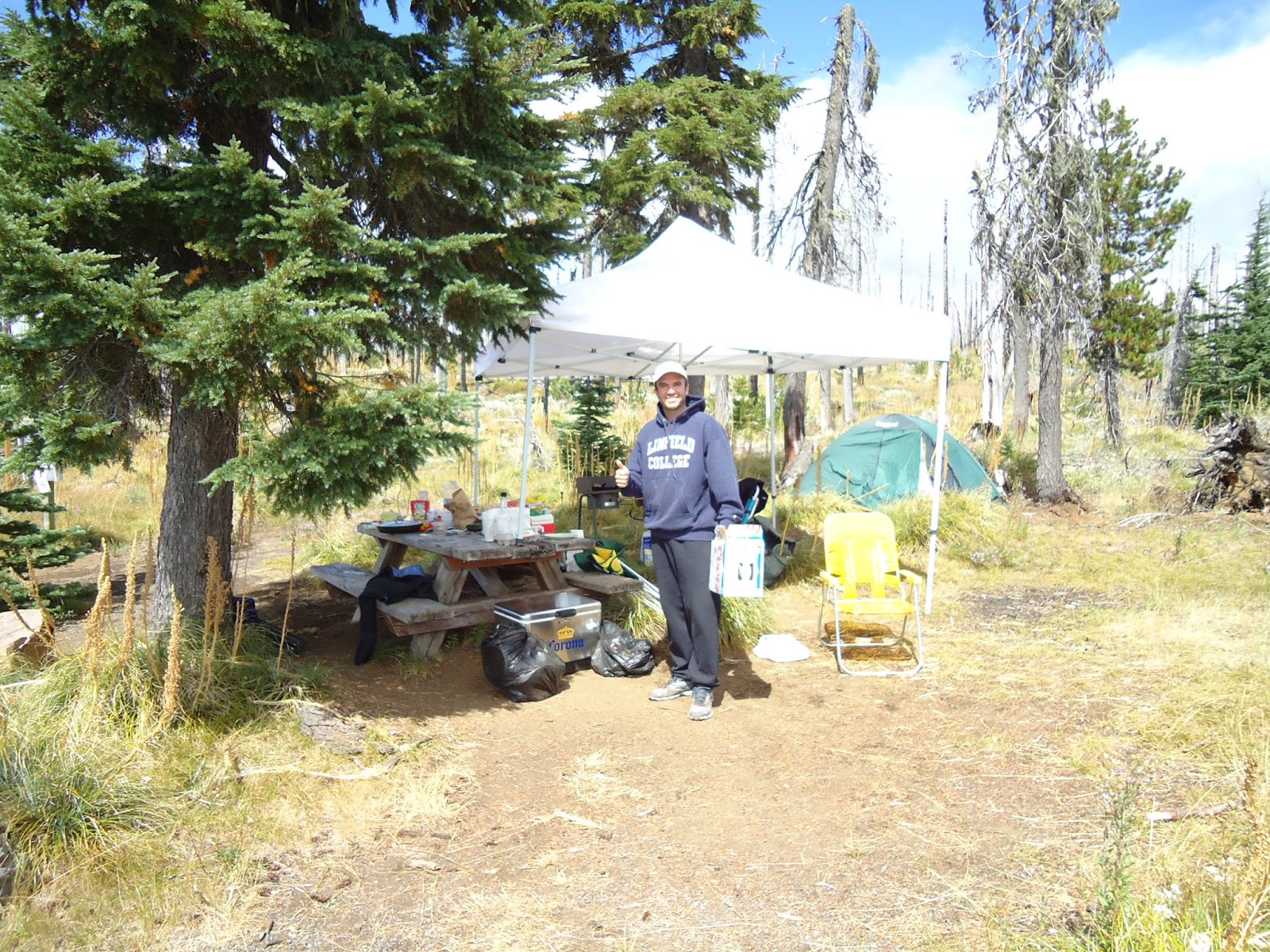
When I saw that beast of a cloud I figured it wasn’t much to worry about. I was still a good 35 miles out from Bend, and 15 from Sisters, Oregon. That sucker would be long gone by the time I got there. I turned to head back to the highway and a guy called out, “Hey there, you look like you’ve been going for a while, need a cold drink?” “Sure.” “We’ve got beer, coke, water, what’s your flavor?” I cycled over and noticed that a guy, and gal, had set up a tent at the trailhead complete with a two burner propane stove. “We’re here providing trail-magic for the threw hikers of the Pacific Crest Trail, but you look like you’re out on a long journey yourself.” “Yeah thanks,” as he hands me a coke. “I’m riding from Portland to Crater Lake via as many forest roads as possible. Are you getting many through hikers along here?” “Yep, this is the time of year when they come through this part. I through hiked last year and this spot offered little in the way of trail-magic, so I decided that I’d post up here and provide magic for the hikers.” “Will you sign my book” he asks? I signed his log book and I pedaled off with a sugar high. Today’s turning out to be a good day after all, I thought to myself as I turned east back onto highway 20.
I found myself quickly topping speeds of over 45 MPH as I descended from the summit of Santiam Pass. That big dark spot in the sky was coming ever closer, and looking even more threatening, as I continued heading east at a high rate of speed. “Black Butte 10 Miles” the sign warned as rain began to fall from the sky. The sky was a dark grey, but looking fairly innocent. This wasn’t so bad I told myself. Thunder rolled in the distance, nothing to worry about, as I proceeded towards Black Butte Ranch. For every mile I got closer to Black Butte the rain became heavier, and more treacherous. I stopped and switched on my tail-light to flashing mode. Cars were switching on their headlights and starting to ride the fog-line. I was becoming a bit nervous. This is getting bad, I told myself. I pulled into Black Butte Ranch. Pulling into Black Butte, I found a tree that offered a small dry spot. I stopped for minute grabbing a few pictures. I was thinking, perhaps I should go find some shelter a place to hang out letting the storm pass. Gazing at the sky I noticed that the clouds appeared to be drifting northwesterly. I told myself that I was on the eastern edge of the storm. I just had to get clear of it and things would get better. I didn’t have much further to go. So I turned around and pedaled back to the highway turning east again. At this point the rain drops were big, and heavy. The highway soon flooded. As I pulled up to the intersection I noticed that the vehicles were all hugging the fog line, my shoulder was gone. I hopped off the bike pushing my bicycle in the drenching, flooding rain, five feet off the shoulder in a soft cinder filled ditch next to the highway. Small rivers began forming in the trench as I skipped, and leaped, through them. As I shoved my bike along in the grueling red cinder filled shoulder with gushing water that was trying to escape the flooded river of a highway, the rain was beginning to ease up. And then it happened, the rain quit just as quickly as it had begun. I had reached the edge of the storm. The highway was drying, the cars began moving back to the center of roadway away from the fog-line, and I hopped back on the bike. Gerrr… gerr… grind. What the fuck is that? An awful grinding sensation was coming from the rear wheel. I hopped off next to the busy highway and pushed my bike back into the red cinder pit. I examined my rear wheel and it was covered in sticky red lava rocks. Damn I said out loud. I cleaned them off as best I could unlatching the brakes. The process was futile, the bastards were everywhere. I pushed the bike back out onto the shoulder, and doing so covered the rear wheel again. So this time I had to complete the process all over once more while standing next to a dark wet shoulder inches from high-speed traffic in low visibility. I started riding again, with a noisy back wheel. Riding along the wet highway minus precipitation the roadway began a gentle ascent. As I crested the hill the sky began to close up, and quickly. The storm, that I thought I had passed through, began merging into another storm cell. Suddenly thunder was ripping through the highway as my daylight was disappearing. Dark black clouds had blue bursts of electricity flashing through as rain began lashing down upon me. The winds howled, thunder began ripping violently through my body, and highway 20 turned into a river. I started looking to my left, and then right, spying for anything that might provide me shelter. Glancing over to my right as I was cycling down the highway, I saw a bolt of lightning touch the ground, and pause, growing huge with energy. As this was happening a violent crack sent my eardrums into a frenzy. The crack felt like it had ripped my chest open and flicked my heart sending it racing into my throat. “FUCK” I screamed – I was trapped. Sisters can’t be much further I told myself. I needed off this highway. Cars were racing by once again, only this time they were hugging the shoulder, even tighter. The only difference was, I wasn’t five feet off the highway pushing my bike; I was still pedaling on the narrow shoulder. I couldn’t duck into the forest for shelter because the constant lightning was bursting down into the ground just feet away from me, on all sides. The wind was racing just as quickly as the cars; and then it began to hail. FUCK! – I picked up a little more speed. Hail was pelting down onto my helmet, and floating in the inch of standing water on the highway, as I arose onto my pedals. Sisters can’t be much further I thought. “Sisters 6 Miles” a sign indicated that I had come upon. Oh damn, my heart sank. My speedometer read 12 MPH. 30 minutes out, I’ll be dead before I get to Sisters. I picked my speed up once more, “God help me I yelled,” as I pushed as hard as I could – my speedometer now was reading 26 MPH. Riding as fast as I could possibly go in nearly zero visibility, cars were passing me by with just inches to spare sending sheets of muddy water into my face. My clothes were drenched, hail was pounding my arms and hands, yet I wasn’t feeling any pain. The sky was a strobe light of electric blue that occasionally sent bolts down into the trees next to me. Gusts of wind came racing towards me trying to knock me off my bike. It was amazing that no car had hydroplaned into me, nor that a lightning bolt decided to kiss my steel bike. And then the amazing happened. A truck pulled off onto the shoulder and stopped. I quickly approached it from behind and a young lady stepped out from the passenger side in the deluge and said, “Can we give you a ride?” “Can you take me to Sisters?” We threw my bike into the bed of the pick-up and sailed down the flooded highway into Sisters.

I sat outside a grocery store drip drying from the torrential rains as the storm slowly proceeded northeast, tearing apart every part of Jefferson County that it touched. As I sat trembling on the edge of Rays Food Place’s foundation, a guy comes up and says, “We passed you on the highway. That was a terrible storm you were riding in.” This was the second most terrifying experience of my life. Sitting outside the grocery store I checked the forecast – it was the same as the day I left Vancouver, Washington: a chance of afternoon thunderstorms. I was quitting. I called my friend and he came picking me up from the grocery store. As I went to bed that night safely secure from any passing storm in my friends guest room, I opened the window and looked back west into the mountains which I had just traversed. There, from the bedroom window, I saw flashes of lighting hearing the distant rumble of thunder that was still peppering the very mountains I had planned to be camping in. I had once again made the proper decision – mountain travel on a bicycle just wasn’t in the cards. Quitting was the only sane thing to do. Oh yeah and the rain ruined my camera, the last images I was able to capture were of the storm building at Black Butte Ranch.
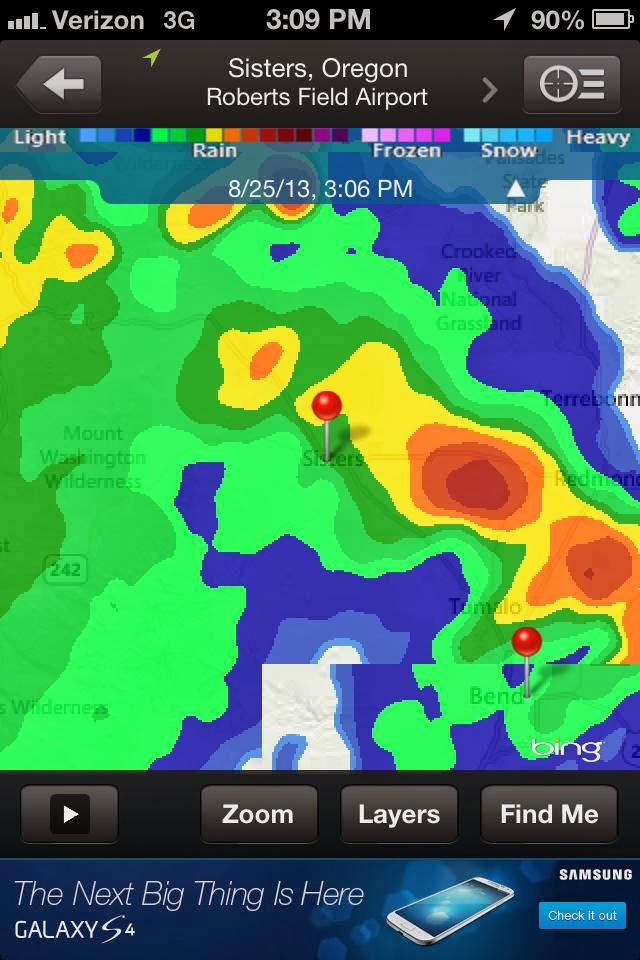
Radar Image from Ray’s Food Place

No Mercy – Quitting’s Difficulty

Thunderstorm in Development
Another trip cut short, this time by an intensely brutal thunderstorm that I was smack dab in the middle of.  And I’ve been around my share of thunderstorms – was in one years ago that dropped golf-ball sized hail.  This storm that cut my trip short was deafening loud, and vicious.  Before I begin telling my tale of the situation that resulted in me abandoning my journey – I’d like to share how I come about making these hard decisions to abandon said journeys.
I judge my situations by a term that I call “No Forgiveness.”  No forgiveness means that if you’re in a situation and something happens, your circumstance becomes dire.  For me to make the decision to give-up on a quest takes more than one problem presented to me.  I don’t quit because it’s raining.  I live in the Pacific Northwest on the west side of the Cascade Mountains.  If you don’t ride a bike in the rain, you don’t ride a bike.  Sunshine here is the exception to the rule, it rains here.  When I ride my bike into the mountains for a seven to ten day journey, I come prepared.
Riding into the mountains on a bicycle takes preparation.  I can’t just hop onto the bike riding somewhere that’s fifty miles from the nearest town, and hope for the best.  I can be wet in 45 degree temperatures and be warm at the same time.  I have the gear to help me.  If my bike malfunctions, in most situations I can fix the problem.  If my cooking stove stops working in the field, I have a kit that will allow me to repair it with genuine parts.  If I run out of white-gas for my stove, I can use gasoline from a car, diesel fuel, jet fuel, and just about anything else that’s combustible.  Accidents and tragedies happen when people place themselves, usually unwillingly, into situations that offer no forgiveness.
I will give you a portrayal of placing myself into a No Forgiveness situation.  On a bicycle tour I decide to take the scenic route through a mountain pass, and in doing so I know I’m going to need to camp out.  I pack enough supplies like water, food, fuel for the stove, heading out for the detour to my intended destination.  I arrive at camp setting up my gear.  In the evening I meet a fellow tourist and we decide to hike a trail we’ve discovered.  But, feeling confident, I don’t pack a small sack with items that could essentially save my life.  The fellow I’m hiking with does have a day pack with him.  He carried with him: A pack of dehydrated food, water, water purification system, fire starting kit, cordage, and perhaps a few clothes.  I have just the clothes I’m wearing: blue jeans, a sweat shirt, and tennis shoes.  The fellow, and I, end up getting lost and separated from one another, and we’ve been forced to stay the night in the wilderness.  I’ve just ended up in a No Forgiveness situation.  The other guy, well he’s got options.  He can start a fire easily, he can drink clean water, eat food, and even change his clothes should they get wet.  Me, I’m now susceptible to becoming hypothermic.  The comfortable cotton clothes I’m wearing lose their insulating values when wet.  I don’t have food, water, or way to attract attention.  My situation is now dire, and loss of life is a worry – No Forgiveness.
When I’m presented with a situation I feel that offers No Forgiveness, it’s because there is more than one variable presented to me placing me at great risk.  I will use my trip where I tried to reach Yosemite, illustrating the issues I faced which made me feel ending the trip was necessary.   That said, let me say this:  If a person is traveling across the country the touring cyclist can negotiate weather systems.  Oftentimes the cyclist can hunker down for a while before pedaling beyond the system.  But when a cyclist has an intended destination requiring a route that has been chosen specifically, situations become different.
26 May 2013 I left Klamath Falls, Oregon on my bicycle intending to reach Weed, California.  I didn’t make it, and in route, I ended my journey.  The situation I faced was multifaceted.  First, I didn’t like how my shoulder had disappeared on a dogleg left corner that arose, and then falling away.  Second, my soft gravel shoulder I used as a bailout came with a five foot drop off for the unforeseeable future.  Thirdly, the shoulder on the highway was listed as two to four feet wide; but in reality was no more than six inches wide.  Furthermore, the truck traffic was unpredictable, the wind speed was high (the panniers on a bicycle act as a kite and the wind can actually steer the bike), the weather forecast was for thunderstorms near Mount Shasta, and the snow level was listed at five-thousand feet.  Arriving at the dangerous dogleg with an eighteen wheeler on my six, I had to make some decisions.
Sitting at dogleg bend to the left with a brief line of commercial trucks behind me, I needed to make some decisions.  My first decision was to bicycle around the corner.  So, I got out onto the highway and proceed to fight against the wind, but every single time I came close to the corner I couldn’t see the highway from the way it bent and fell away.  So every time, I pulled back around into the rest area that was north of this dogleg.  This corner made my stomach churn.  I couldn’t get my speed up due to the wind to quickly negotiate this bend.  So I pulled out my maps and plotted a detour around this dangerous section of highway.  My only option was to take highway 39 out of Klamath Falls and reconnect with my route on the south side of Mount Shasta. Doing so would put me in an elevation higher than the predicted freezing level.  I had the clothing to keep warm, and enough food. However, how would I keep my water from freezing.  Without liquid I can’t cook nor drink.  My other option was to go through Susanville, California and on into Reno.  But I’ve driven that route and was not interested in cycling such.  I wanted to explore the route I had planned, researched, and spent months preparing.  So, my options around the bad piece of highway that offered me impaired sight distance, no shoulder, and a deep ditch on the side of the highway, presenting me with a No Forgiveness situation were limited.  The detour that I found on the map placed me into possibly freezing conditions for an indeterminable amount of time, with limited services.  The second route directly into Reno, Nevada avoiding the mountains all together was not an option.  I had avoided the mountains all the way through Oregon.  My entire trip was based on riding through the Cascades, and Sierra Nevada Mountain Ranges.  The other problem was the snowy weather forecasted for Mount Shasta.  I had only one option, to attempt the dogleg left with impaired sight distance placing myself into a No Forgiveness situation.

I don’t quit just because it’s snowing, or raining, or the hills are too steep, or the wind is blowing… No I quit when I feel my life may be placed at unnecessary risk for what I’m looking to accomplish.

Gadgets and Gear

Have you ever met someone that just seems to be able to sail through life by the seat of their pants? You know, the type of person who can leave home at the drop of a hat? Well that’s just not me – I pack anything and everything. I have to work at taking less stuff. I don’t know why, but a minimalist I’m not. If there’s a person that carries more on an s24o, well I’ve never met him or her.

My last journey, which was cut short due to weather, had me carrying far too much crap that I never looked at. I decided when departing on my s24o to strip down my pack carrying only the stuff I’ve used. The stuff I never use, but carry, was left behind (everything except for survival stuff i.e. magnesium flint stick, first-aid pack, water purification tablets, etc.). To see my pack-list head on over here.
One of the things I’ve been fooling around with on my last couple of adventures is, how to carry water. I’ve always used a Camelbak for hydration. But riding without a pack on my back is much more pleasant than with. That said, I’ve yet to figure out a way to carry enough water to keep me comfortable without my Camelbak. 
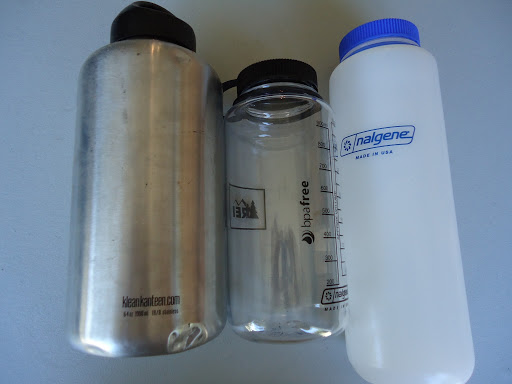
On my last journey, I decided to carry a stainless steel sixty-four ounce Klean Kanteen. In theory the canteen was perfect to bring along. It carried enough water to keep me happy, along with my two 20 ounce water bottles. In actual use however, the canteen was hard to strap down, it was very heavy when filled, and the stainless steel bottle was easily dented when dropped. I feared dropping the Klean Kanteen on asphalt dreading it might puncture.

So for my latest overnighter, I picked up a forty-eight ounce Nalgene to supplement my thirty-two ounce Nalgene. I use the thirty-two ounce Nalgene with my MSR Miniworks. I’ve decided to go back to the Nalgene bottles because of their indestructibility. The theory behind the Klean Kanteens was genius. A water bottle which you could boil water inside of while in the bush, if you needed to. But in practice, the stainless steel was just too weak. Maybe it was the size I was carrying though. That said, stainless steel still has plenty of good uses.
Finding good cookware in the backcountry is always a long drawn out process. I’ve used a few products during my adventures that I’ve never been satisfied with. I’ve used the basic Walmart special mess kit, which is nothing more than a toy. I’ve used expensive aluminum non-stick pots from MSR and GSI both. I’ve never adventured into titanium though, only because I cook real food rather than dehydrated pouched meals.

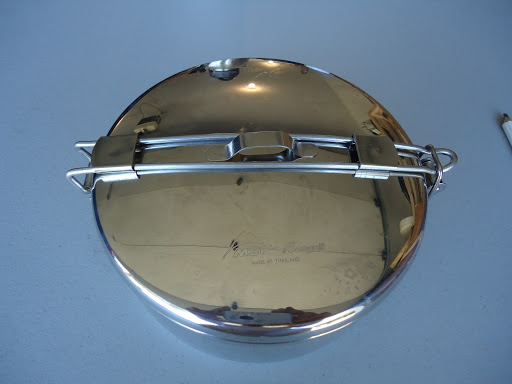
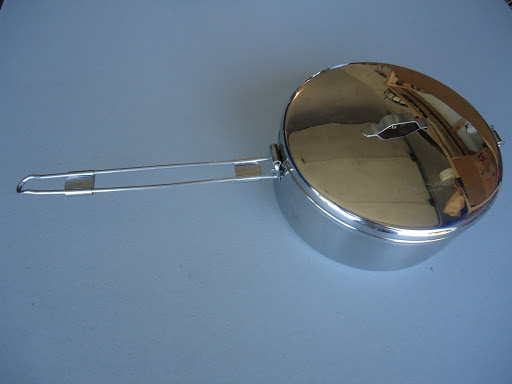
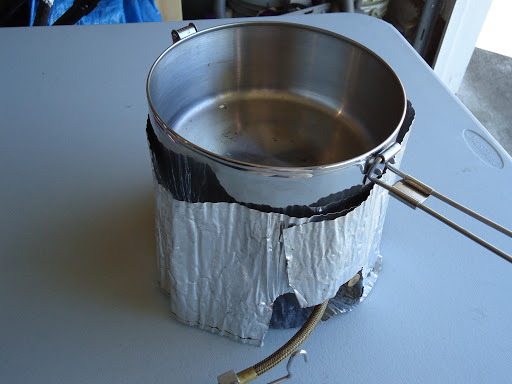
My latest purchase has me pleasantly surprised. After using my GSI Dualist to the point of scratching the non-stick coating, while hating its narrow and deep size, I decided that it was time to search long and hard for a replacement. My back country culinary interests always keep me searching for better more useful pots. This is because I’m the guy cooking up chili, red lentil curry, black beans and rice, or hobo stew a la carte, all from scratch. So my searches always had me coming back to the 1.6 liter MSR Stowaway pot. This thing is stainless steel. It latches to itself extremely tight, and packs away full with kit stored inside. The more you pack inside the pot, the more useful it becomes. And this pot is sturdy. You can pound a grizzly bear in face with it defending your camp, and after the bear retreats you can continue cooking your dinner with this pot. You can pack it full of supplies and then toss if off a cliff face, hike down to fetch it, open it up, and cook dinner – it’s that sturdy.
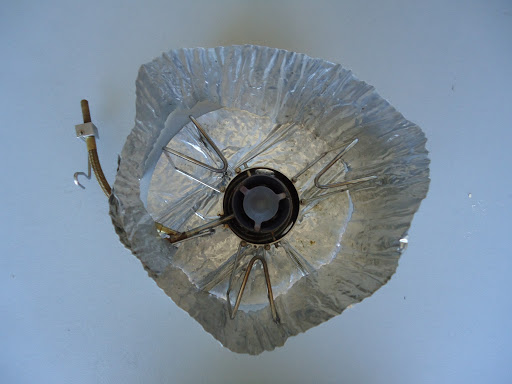
My only fear was the fact that burning my food to the bottom would be a problem. I had to remind myself that I’ve been cooking for years with aluminum cookware. This would be a step up from the thin aluminum I’ve been previously using. And, this pot nests nicely on top of my MSR Dragonfly. It’s almost like they were made for one another. They probably were due to the fact that both products are made by MSR. Because of this, it didn’t take long for me to cook up my chili in a proper simmer (while on my s240o), for the first time ever. After dinner I rapidly boiled up some water for tea. Everything was fantastic. I can’t wait to pull this pot out on the summit of Windigo Pass cooking up some red lentil curry with coconut milk.
While I’m cooking, I like to jam out to some fantastic tunes using my X-Mini Capsule speaker paired with my iPod Nano. If you haven’t heard an X-Mini – the sound is actually fairly good, and at only forty bucks – what’s not to like. Tunes in the bush. I keep everything charged with my Solio. Which I’m not very happy with. But it was a cheap battery back-up. 
Cookware, water portability, tunes, tent, sleeping roll, some food, and a change of clothes, all strapped on to Black Magic. I’m ready to head to Crater Lake via forest service roads with a much lighter load. I’ve tested out the Mondials, and they’re ready for the challenge. I need to complete this tour, bad weather or not. I need an adventure before my next challenge – finally earning my college degree.
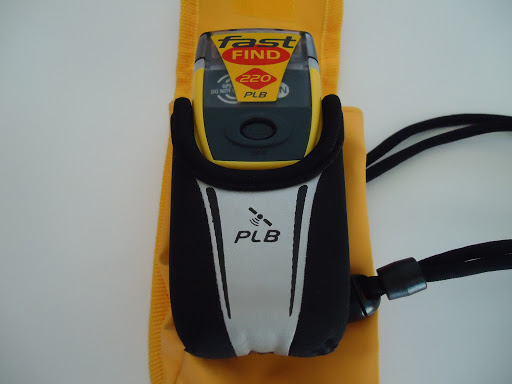
Oh, and should anything life threatening happen, this is my lifeline, a Personal Locator Beacon

TOUR DE PARKS

Timmy at Sunset Falls

I went on my shakedown ‘s24o’ (under twenty-four hour bike camping odyssey) yesterday for the Tour De Parks journey. As I was lying on my sleeping bag hiding from the moisture dripping out of the thick warm air, I decided to delay my Tour De Parks.

My plan was to head to Olympia, Washington cycling north circling around Olympic National Park. From the Northwesterly tip of the peninsula, I would head south to Raymond, Washington. From there I would cycle west via Wallapa Hills Trail to Chehalis, Washington. Reaching Chehalis, I would wonder over to bicycle up Mount Saint Helens and then hike up to the observatory. I’ve decided to delay said trip because I don’t want to rush such an awesome adventure. And, being that the Olympic National Park in Washington State has such a high populous of visitors, I’ve decided my adventure is one best completed after Labor Day. That way, I’m not tangling with overzealous RV drivers, and impatient motorists. So why not go after Labor Day? Because I’ve enrolled fulltime back into college, and classes start in just over a month from now. I’ve got lots to do in preparing for heading back to school. I will be taking an adventure though.


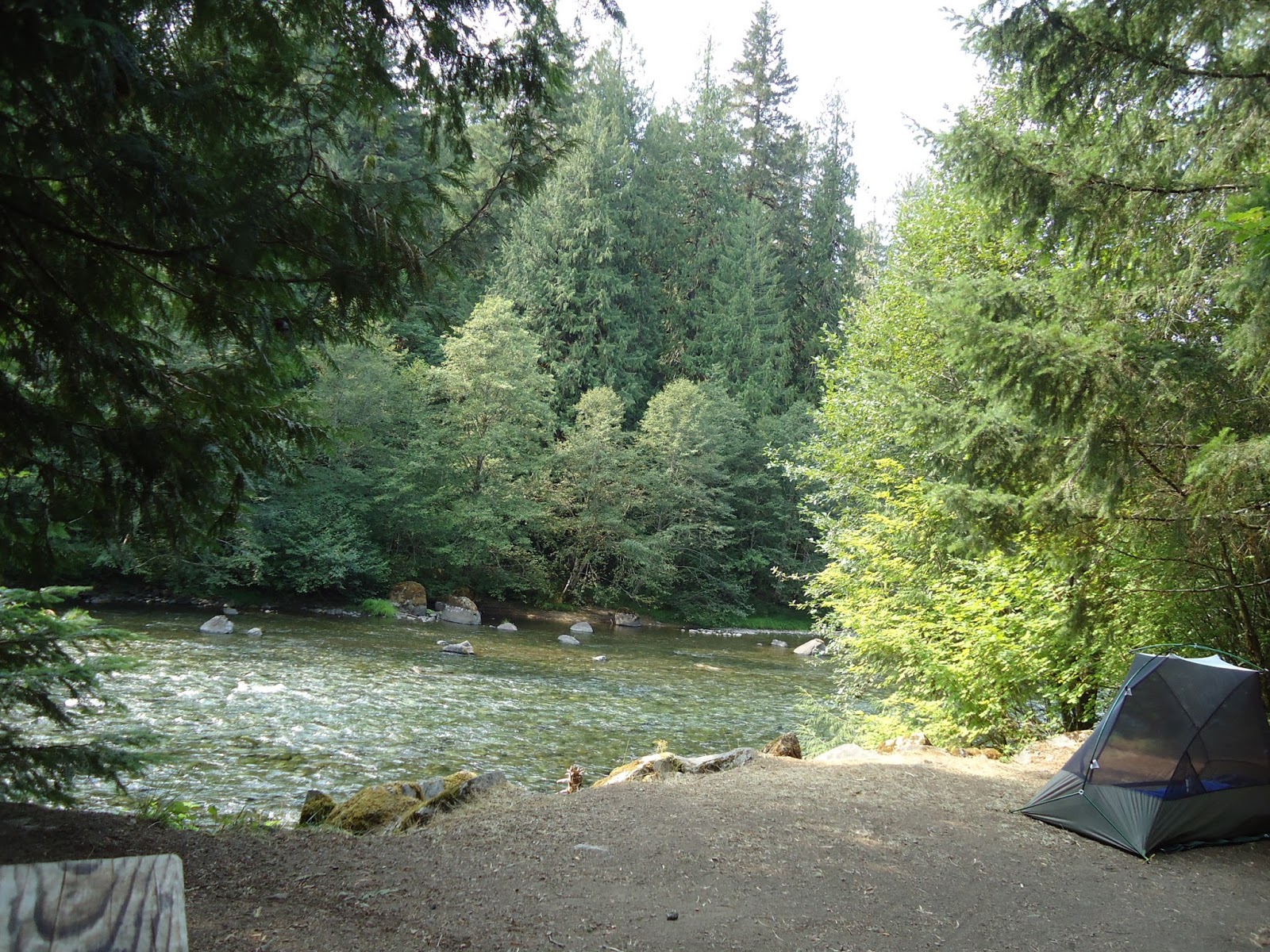
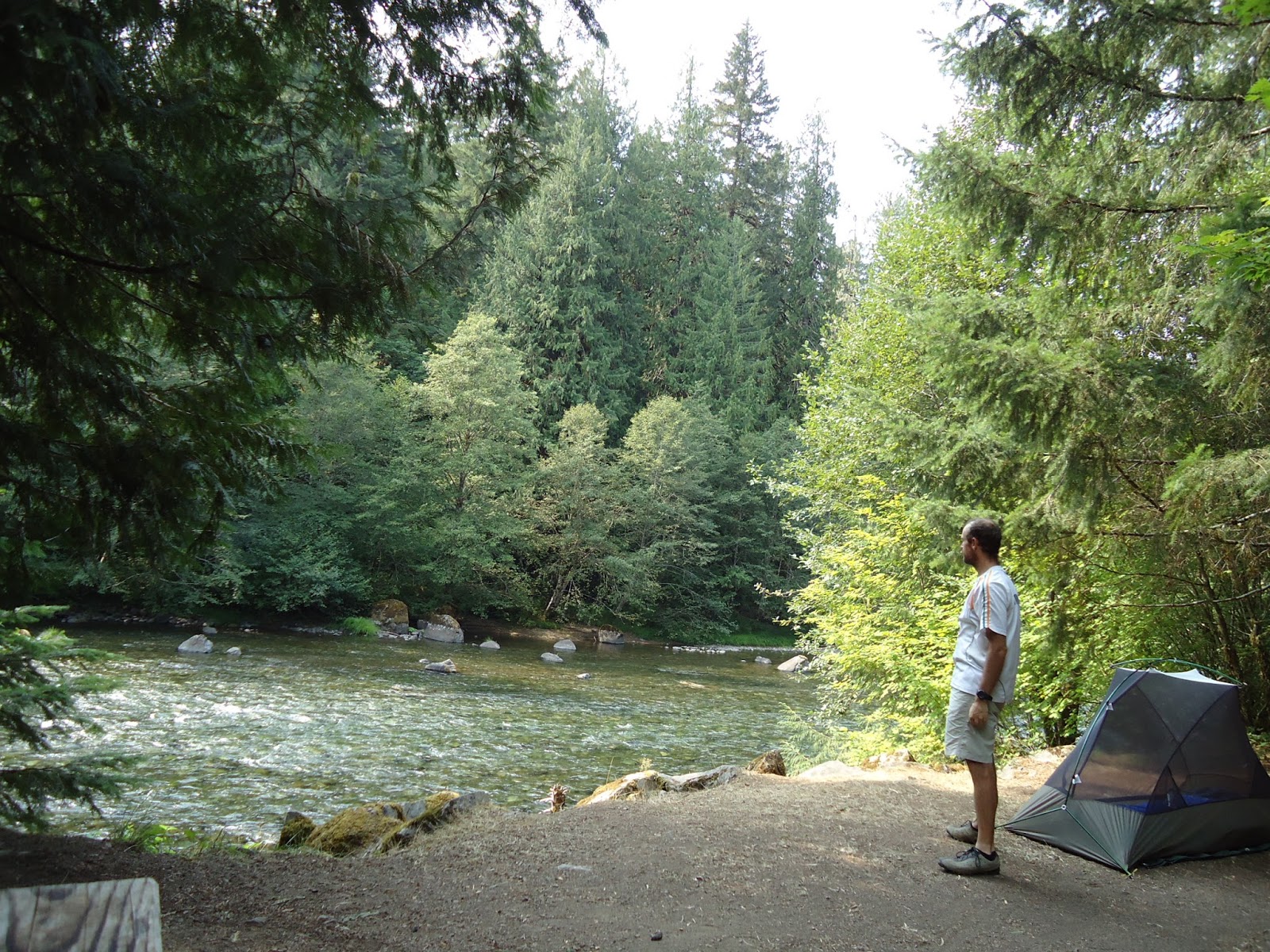
Sunset Falls Campground – Gifford Pinchot National Forest

I’m planning to do a short bike-packing trip to Crater Lake. In years passed, every time I tried to get near Crater Lake the weather gods decided it was best to make my weather conditions adverse, and worthy of a retreat. This year, it’s going to happen. McKenzie Pass Crater Lake Scramble, starting September 4, 2013.